





What olfactory criteria indicate the quality of an eau de toilette
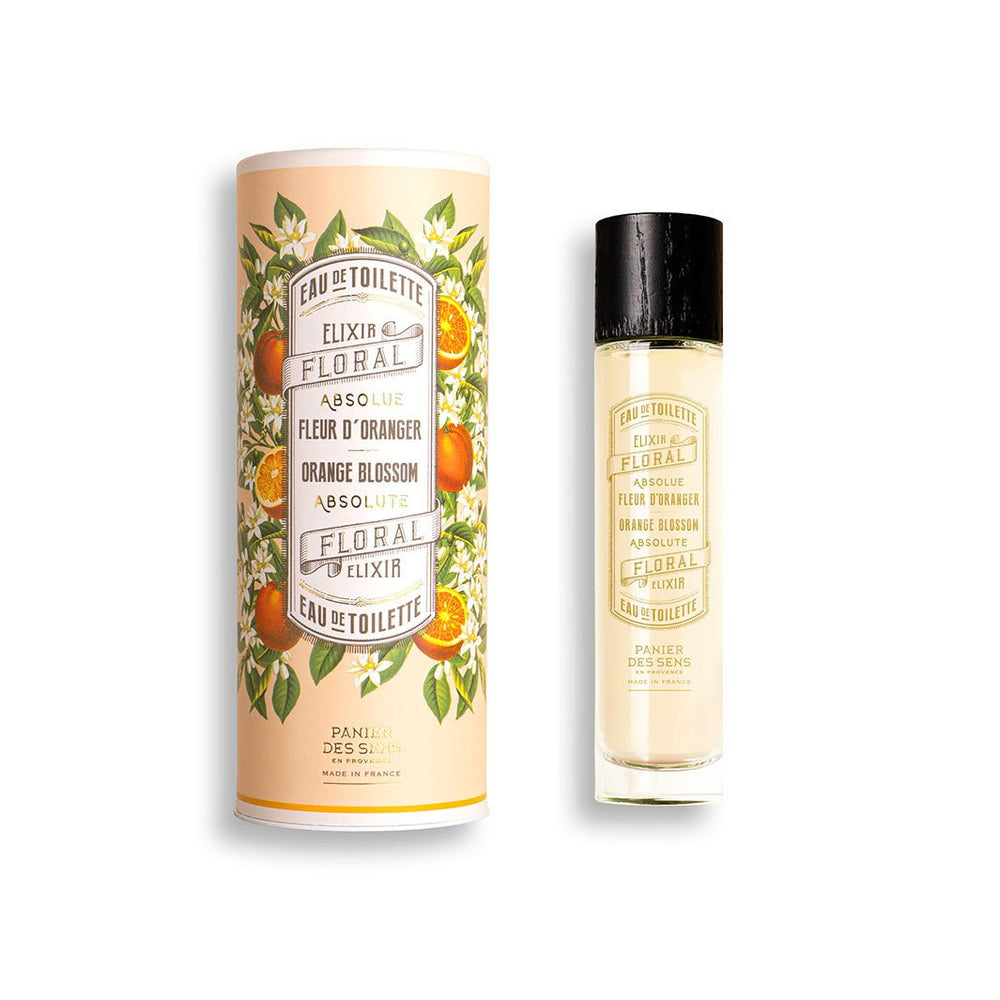
Strolling among the displays in a perfume shop can evoke a symphony of scents—a true olfactory journey. But what sets an eau de toilette ? On this page, we’ll explore the key olfactory criteria for evaluating this precious elixir.
First, we’ll delve into the olfactory notes—those that shape a fragrance’s initial impressions and its longevity. Next, we’ll examine the importance of essential oil concentration and the longevity it imparts to an eau de toilette. Finally, we’ll analyze the balance and harmony of the ingredients to guide you toward a deeper appreciation of this delicate alchemy. You’ll learn everything you need to know to recognize an eau de toilette .

Fragrance notes: a key criterion for a eau de toilette
Top notes in an eau de toilette
Top notes are the first to emerge when you spray your eau de toilette. They serve as the olfactory introduction—the scent that immediately captures your attention. These notes are often light and fleeting, designed to create an invigorating first impression. Imagine stepping into a summer garden where citrus fruits like lemon and bergamot mingle with herbaceous notes of mint or basil. These fleeting scents evaporate quickly but leave a brief impression that prepares your senses for the notes that follow.
The middle notes in an eau de toilette
Once the top notes have faded, the heart notes take over, forming the very heart of the fragrance. They bring depth and complexity to the olfactory composition. This is where exquisite flowers like rose, jasmine and ylang-ylang express their richness. Sweet spices such as cinnamon or cardamom can also enrich this sensory symphony. These intermediary accords last several hours and truly reveal the perfume's personality, forging an intimate bond with its wearer.
Base notes in an eau de toilette
Finally come the base notes, the ones that linger on your skin and clothes long after the others have faded. These are often composed of heavy, long-lasting essences such as sandalwood, vetiver or ambergris. They bring structure and longevity to the fragrance, creating a subtle yet persistent aura around the wearer. Imagine yourself enveloped in a warm cocoon where woody nuances mingle with resinous or musky touches, ensuring a prolonged olfactory experience.
The concentration and longevity of essential oils in an eau de toilette
The role of essential oil concentration
When choosing an eau de toilette, the concentration of essential oils plays a key role in the intensity and longevity of your fragrance. An eau de toilette typically eau de toilette between 5% and 15% essential oils diluted in a light alcohol base. This concentration creates a subtle yet noticeable fragrance, ideal for those seeking a balance between discretion and a noticeable scent. Imagine yourself at an important meeting or an elegant dinner, where your fragrance leaves a delicate impression without ever becoming overpowering.
Odor persistence and diffusion
Longevity and sillage are two essential factors in evaluating the quality of an eau de toilette. Longevity refers to how long the fragrance remains detectable on your skin, while sillage refers to its ability to waft around you. A eau de toilette must strike the right balance: it should last for several hours while pleasantly diffusing its scent. For example, woody notes such as cedar or patchouli are known for their tenacity, creating a long-lasting base note that accompanies your movements throughout the day.
Have you ever noticed how some scents seem to evaporate almost immediately after application? This could be due to a low concentration of essential oils or an unbalanced composition. To avoid this inconvenience, opt for eaux de toilette produced by houses renowned for their craftsmanship and mastery of raw materials.
The subtle art of blending essential oils also allows perfumers to fully express their creativity while ensuring a harmonious and long-lasting olfactory experience. By mastering these key elements, you’ll be able to confidently choose an eau de toilette perfectly reflects your refined personality.
The balance and harmony of the ingredients in an eau de toilette
Harmony between notes
Imagine yourself composing an olfactory symphony where each note must blend perfectly with the others. In an eau de toilette, this harmony is crucial for creating a coherent and pleasant sensory experience. The top, middle, and base notes must flow seamlessly into one another, each making its own contribution while complementing the whole. For example, a fresh, sparkling citrus opening can be enhanced by a voluptuous floral heart before blossoming into a warm, woody base. This delicate ballet requires perfect mastery of raw materials and artisanal expertise to ensure that each note finds its rightful place.
Olfactory balance and compositional stability
The olfactory balance of an eau de toilette on the perfumer’s ability to precisely measure out each component to avoid any discord. A fragrance with too many sweet notes could become cloying, while an excess of fresh notes might lack depth. The artisan perfumer must therefore skillfully balance lightness and richness to achieve this perfect alchemy.
The stability of the formulation is also essential to ensuring that the fragrance remains true to itself over time. A eau de toilette retains its original characteristics even several hours after application, without losing its character or intensity. This stability results from a rigorous selection of ingredients and a meticulous formulation that ensures a harmonious release of the aromas.
For example, imagine wearing your favorite fragrance during a busy day: first thing in the morning, it envelops you in a delicate cloud; at midday, it reveals its captivating floral heart; finally, in the evening, it leaves behind an elegant, lingering trail. It's this consistency that makes all the difference between a simple, ephemeral eau de parfum and a genuine olfactory work of art.
We recommend these other pages:
- How to spot eaux de toilette counterfeit eaux de toilette?
- What is the alcohol content of a eau de toilette ?
- Do the ingredients used affect the quality of an eau de toilette
- Do the top, middle, and base notes reveal the quality of an eau de toilette
- Are consumer feedback and opinions a good indicator of quality?