



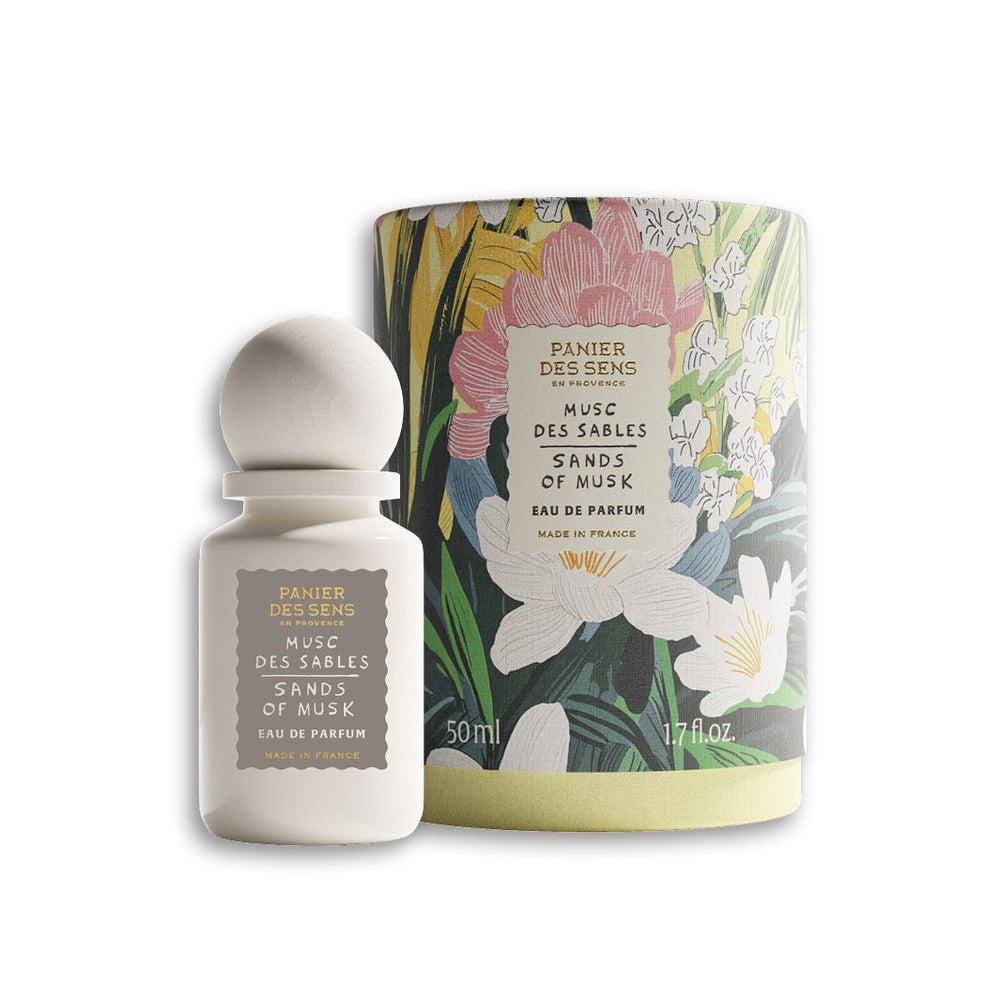


What is the alcohol content of a eau de toilette ?
Dive into the intoxicating world of eaux de toilettemeans discovering a world of subtle and refined scents. What is the ideal alcohol content found in a eau de toilette ?
On this page, we’ll explore the composition and components of an eau de toilette, focusing on the essential role of alcohol. Next, we’ll examine variations in alcohol content, considering the factors that influence it and comparing eaux de toilette other types of fragrances. Finally, we’ll evaluate the impact of alcohol content on the quality and perception of your favorite fragrance, examining how it affects sillage, longevity, and how it interacts with the skin.

Definition and Composition of a eau de toilette
The components of an eau de toilette
An eau de toilette stands out for its harmonious and well-balanced composition. It is based on three main components: essential oils, alcohol, and water. Essential oils, carefully extracted from flowers, wood, spices, or citrus fruits, form the very heart of the fragrance. They provide the rich, alluring scent that captivates and enchants. Alcohol plays a crucial role as a solvent, allowing the essential oils to diffuse elegantly when you spray your favorite fragrance.
It is also worth noting that water helps to soften the final formula. Thus, an eau de toilette contain between 5% and 15% essential oils diluted in an alcohol base, which gives it its characteristic lightness compared to a pure perfume or an eau de parfum.
The Role of Alcohol in eau de toilette
Alcohol isn't just another ingredient; it's essential for releasing the olfactory notes of essential oils. By evaporating rapidly after vaporization, it allows the aromatic molecules to unfold fully and immediately. This rapid evaporation also facilitates uniform dispersion of the fragrance on skin or clothing.
However, not all alcohols are created equal. In a eau de toilette like those offered by Panier des Sens, specific denatured alcohols are generally used, which not only ensure excellent volatility but also provide optimal gentleness for the skin.
Have you ever noticed how certain fragrances seem to blossom throughout the day? It's thanks to this delicate interplay between alcohol and essential oils that each note - be it top, heart or base - can emerge at its own pace to offer a complete sensory experience.
Variations in alcohol content in eaux de toilette quality
Factors Affecting the Alcohol Content in eau de toilette
The alcohol content in an eau de toilette vary depending on several key factors. First, the concentration of essential oils plays a crucial role. The higher the concentration of essential oils, the more alcohol is needed to dilute them. This is because alcohol is used to dissolve these oils and allow them to diffuse evenly.
Secondly, the perfumer's choice of formulas also influences this rate. For example, some designers prefer lighter, more airy compositions, requiring a higher percentage of alcohol to ensure fine, even vaporization. Climatic conditions can also have an impact on formulation: in hot, humid environments, a higher alcohol content helps to maintain the fragrance's freshness.
Have you ever noticed that your favorite fragrance looks different in each season? This could be due to the adaptation of the alcohol content to outside temperatures, in order to preserve the olfactory integrity of the fragrance.
Comparison with other fragrances
eau de toilette clearly distinguished from other fragrance categories by its specific alcohol content. Compared to eau de parfum, which contains between 15% and 20% essential oils and has a lower alcohol content,eau de toilette a lighter composition, typically containing between 5% and 15% essential oils. This differenceeau de toilette more subtle and suitable for everyday use.
On the other hand, pure perfume, or perfume extract, has a much higher concentration of essential oils (up to 40%) and therefore requires less alcohol for dilution. This type of perfume is exceptionally long-lasting, but can sometimes seem too intense for certain occasions or sensitive skin.
Eau fraîche or Eau Fraîche, on the other hand, contains even fewer essential oils (around 1% to 3%) and a higher percentage of alcohol, as well as much more water. It's ideal for an immediate refreshing sensation, but has limited staying power on the skin.
It's this diversity of formulations that allows everyone to find the perfect fragrance not only for their style, but also for different occasions: a light sillage for everyday wear, or a strong olfactory imprint for special moments.
Impact of Alcohol Content on the Quality and Perception ofeau de toilette
Influence of alcohol content on diffusion and hold
Alcohol plays a key role in the olfactory experience provided by an eau de toilette. As it evaporates quickly, it releases the aromatic molecules from the essential oils, allowing each note to come through clearly. Imagine spraying on your eau de toilette in the morning: immediately, the top notes—often fresh and light, like citrus or aromatic herbs—unfold to awaken your senses.
Then, as the hours pass, the heart notes take over. These floral or spicy accords gradually reveal themselves thanks to the continuous evaporation of alcohol, offering lasting olfactory richness. Finally, at the end of the day, the base notes - woody or amber - linger delicately on your skin, testifying to a well-balanced composition.
Have you ever noticed how some eaux de toilette seem to lose their intensity more quickly than others? This may be due to inappropriate alcohol levels, which affect the volatility of the olfactory components. The right alcohol concentration ensures not only even diffusion, but also long-lasting fragrance all day long.
Possible effects on the skin and precautions to be taken
While alcohol is essential for bringing out the best in fragrances, it can sometimes raise questions about its effects on the skin. Some people with sensitive skin may react to high concentrations of alcohol by experiencing irritation or dryness. It is therefore crucial to choose an eau de toilette carefully eau de toilette and gentle on sensitive skin.
Take, for example, the creations offered by Panier des Senswhere each formulation incorporates specific denatured alcohols that minimize these risks while ensuring excellent volatility. For those who wish to avoid undesirable skin reactions, a few simple precautions can be taken:
- Test before use: Apply a small amounteau de toilette the inside of your wrist to check for any possible allergic reactions;
- Moisturize regularly: use an appropriate moisturizing cream to protect your skin before applying your fragrance;
- Avoid sensitive areas: apply behind the ears or on your clothes, rather than directly on the neck or décolleté.
So, by making sure to follow these few recommendations, you can fully enjoy the sensory benefits of your eau de toilette compromising your skin’s comfort and health.
We recommend these other pages:
- How to spot eaux de toilette counterfeit eaux de toilette?
- What olfactory criteria indicate the quality of an eau de toilette
- Do the ingredients used affect the quality of an eau de toilette
- Do the top, middle, and base notes reveal the quality of an eau de toilette
- Are consumer feedback and opinions a good indicator of quality?